Once in a workshop for principals of schools in which I was part of, I heard A retired school principal share a story that has stayed with me for long. After forty years in education, he said the most difficult meeting he ever attended was not with troubled students, it was with teachers discussing their former students.
Whenever someone famous appeared in the news, a scientist, an artist, a politician, teachers who had taught them years earlier would say things like, “Really? That boy? He sat in the back of my class.” Or, “That girl? she barely spoke when she was in class.” They remembered the old version of the person and struggled to reconcile it with who that person had become. The principal said something interesting: “We often freeze people in the version of them we first knew.”
Freezing Persons in a Version of Their Past
That human tendency sits quietly behind the tension in today’s Gospel. Jesus is speaking among people who watched Him grow up. They know His childhood stories. They had filed him away under "Joseph's boy" and closed the drawer. And because they think they know His past, they believe they understand His future. But The people furthest from him, the Samaritan woman at the well, the Roman centurion, the Syrophoenician mother, had no such filing system. They came to him with open hands, not crossed arms.
Scripture shows this pattern again in the story of Naaman. The powerful Syrian general expected the prophet Elisha to perform some dramatic ritual to cure his leprosy. Instead, he was simply told to wash in the Jordan River. At first he was offended. The answer seemed too ordinary.
We have all been there. Imagine, You’re at a family gathering, and you’re complaining, perhaps about a persistent habit or a recurring problem. Suddenly, your younger sister, the one who used to hide your shoes, says exactly what you need to do to fix it. She’s 100% right. And because she is right, we immediately want to throw our potato salad at her.
We struggle with this pattern because we look for greatness to come from dramatic places. We expect wisdom from famous voices, miracles in spectacular moments, holiness in extraordinary people. But God often hides His grace inside the familiar.
Lent Disrupts the Familiar
The deeper challenge in today’s Gospel is not simply that people rejected Jesus. The deeper issue is spiritual familiarity, that subtle feeling that says, “I already know how God works.” And once we believe that, we stop expecting surprises.
But Lent exists precisely to disturb that comfort. It invites us to see again what we have stopped noticing. Perhaps God is speaking through the quiet advice of a spouse. Perhaps through the innocent honesty of a child. Perhaps through a stranger whose words linger longer than we expected.
And perhaps the most hopeful truth is this: God also refuses to freeze us in the version of ourselves others remember. While people may see our past mistakes, our old limitations, or our familiar identities, God always sees something unfinished, something still becoming.
And the same God is still at work in our lives today, often quietly, often unexpectedly, waiting for us to look again, and this time, truly see.
- Today’s Readings
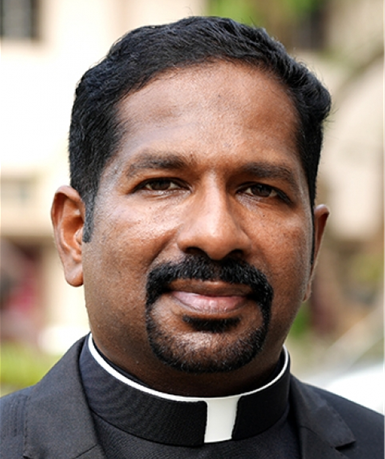
- Father Boby's inspirational homily was recorded live during Mass at the Father Peyton Center this morning. You can view the Mass (and the Rosary at the 30-minute mark) on the Family Rosary YouTube page.
- To join the Rosary and Mass Livestream, visit the Family Rosary YouTube or Facebook page at 11:30 a.m. Eastern, Monday – Friday. Consider inviting others to join, too! (*If you are not a member of Facebook and a signup window appears, simply select the X at the top of the pop-up message and continue to the livestream.)


.png)